
Teachers and pedagogues
Formal educators—from classroom teachers to university professors—can integrate folk culture into teaching with support from resources, seminars, and an international peer network.
IOV Commission · Learning
The commission works with educators and knowledge holders to bring folk culture into learning environments for children and adolescents.
Pedagogical premise
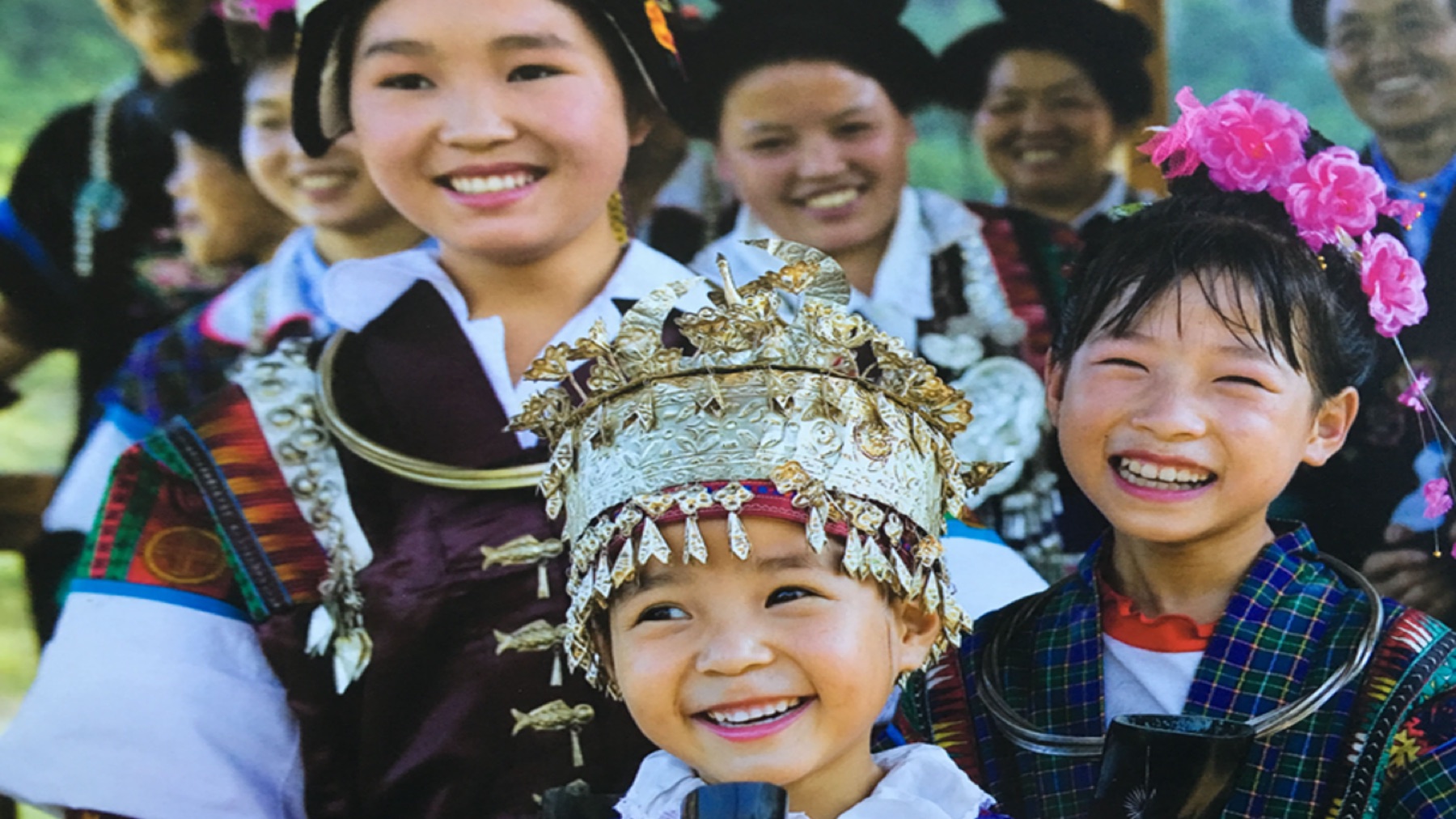
The Commission on Childhood and Pedagogic focuses on ages 7 to 16, when cultural identity is being formed and traditions can become part of lived experience.
Its work brings teachers, pedagogues, and folklore practitioners into a shared framework for cultural transmission in classrooms and communities. Educators are treated as active carriers of knowledge rather than as a secondary audience.
Learning framework
The objectives move from access and artistic practice to the people, values, and research that support long-term transmission.
Disseminate and preserve intangible cultural heritage among young people aged 7–16, supporting transmission to the next generation.
Develop artistic practices and cultural expressions in children through learning rooted in folk tradition.
Position teachers, pedagogues, and folklore masters as key agents in the transmission of cultural knowledge.
Use cross-cultural education and shared artistic experience to support mutual understanding.
Organise seminars and publish material on childhood, folklore, and pedagogical approaches to heritage education.
Knowledge agents
Formal educators—from classroom teachers to university professors—can integrate folk culture into teaching with support from resources, seminars, and an international peer network.
Traditional knowledge holders and folklore masters are recognised as educators whose experiential knowledge can reach children and young people through meaningful practice.
For educators
Teachers, pedagogues, and folklore practitioners can review the membership categories and application process.